





 Topic Resources
 KEYpoints
Image




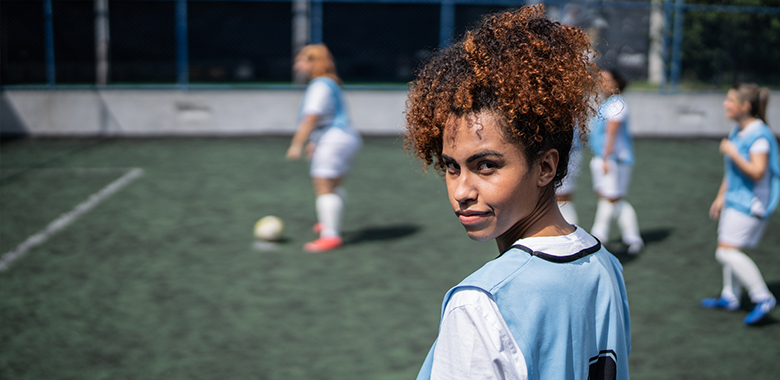



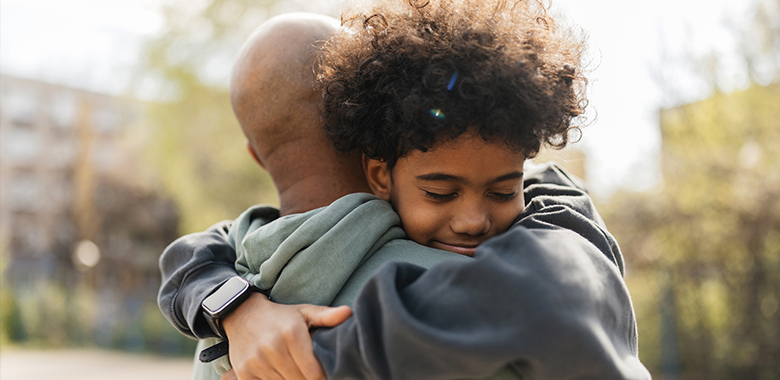

Conflict is a natural part of life and something all children will experience at home, at school, and online. While it can feel uncomfortable, how adults respond plays a critical role in shaping young people's ability to manage challenges. As children grow, particularly during adolescence, conflict often reflects their developing independence and identity. When handled with calmness, empathy, and consistency, conflict can strengthen relationships rather than damage them. It also provides an opportunity to model respectful communication, emotional regulation, and problem-solving, helping young people build resilience and navigate relationships with confidence.


 Full Videos
 All Topics
 Feedback